
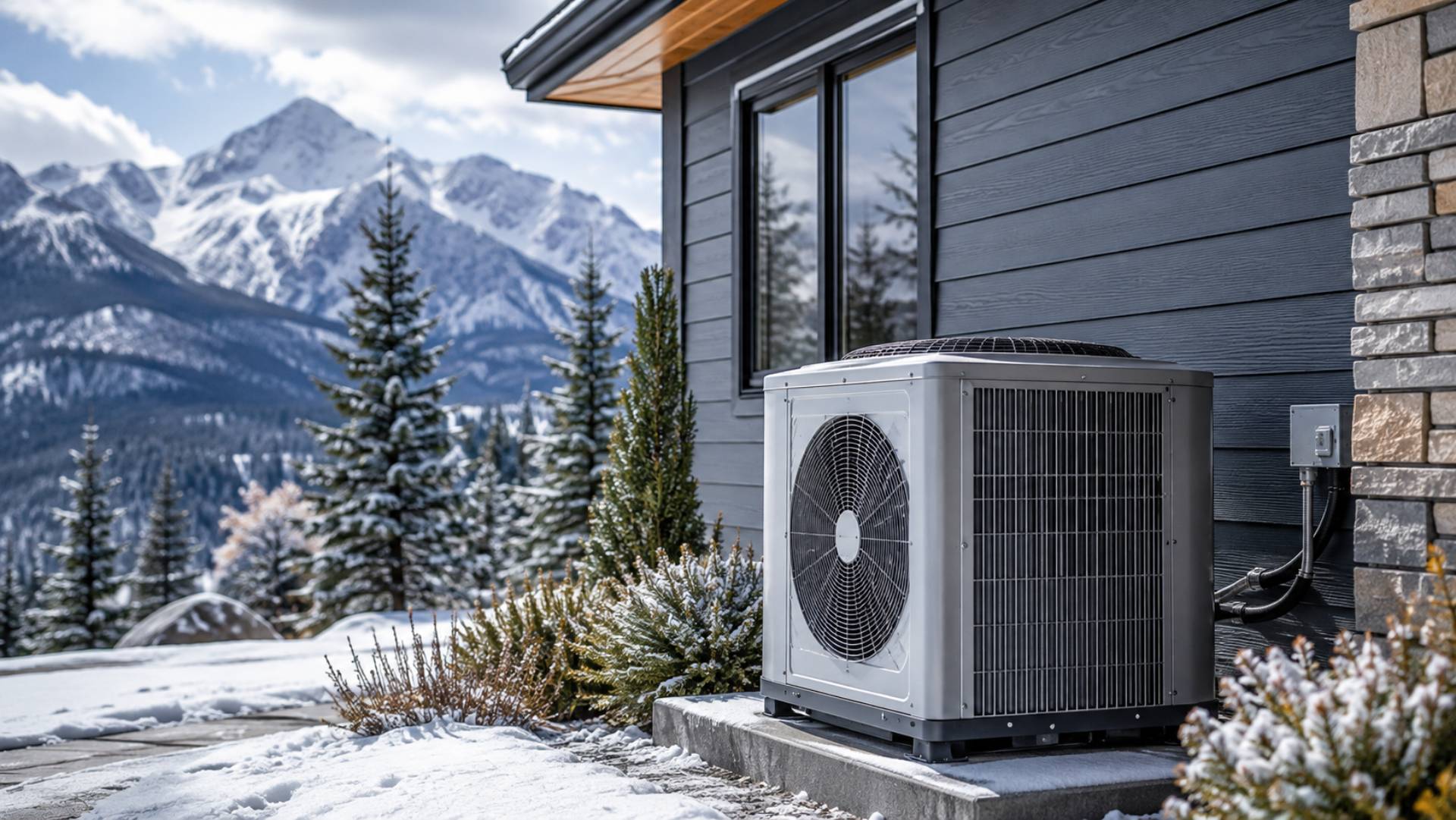
Living in a region with extreme temperatures demands more from a home’s cooling system than mild climates ever will. Scorching summers, intense sun exposure, and temperature swings can turn an ordinary air conditioner into an overworked, inefficient appliance. Choosing the right system is not simply about staying comfortable—it is about protecting your home, controlling energy costs, and ensuring reliability when the heat peaks. Homeowners facing these conditions need clear, practical guidance on what actually works. For many in arid regions, selecting reliable air conditioning for desert heat becomes one of the most important decisions they make for year-round comfort.
Understanding the demands of harsh climates is the first step. Desert and semi-arid areas often combine high daytime temperatures with low humidity and significant dust. Systems that perform well in humid coastal zones can struggle here. The dry air favors certain technologies, while dust and airborne particles place extra stress on filters and coils. Extreme heat also forces equipment to run longer cycles, which increases wear and energy use. A system that is undersized or poorly matched to these conditions will short-cycle, freeze up, or fail prematurely. Matching the equipment to the climate is therefore essential.
Key Factors That Influence Your Choice
Several practical considerations should guide the decision. Start with load calculation. A proper Manual J calculation accounts for square footage, insulation levels, window orientation, roof color, and local climate data. Guessing or relying on rules of thumb often leads to oversized or undersized equipment. An accurately sized system runs more efficiently, maintains steadier temperatures, and lasts longer.
Energy efficiency ratings matter more in hot climates because the system operates for many hours each day. Look for high SEER2 and EER2 numbers. Higher ratings translate into lower monthly bills, especially when peak demand drives up utility rates. Variable-speed or two-stage compressors offer additional advantages. They adjust output to match the actual cooling need rather than running at full capacity every time, which reduces energy waste and improves humidity control even in dry air.
Air quality and filtration also deserve attention. Dust, pollen, and fine particulates are common in desert environments. Systems with high-MERV filters or dedicated air cleaners help protect both occupants and the equipment itself. Some homeowners add whole-house filtration or UV lights to reduce the load on the cooling system and keep indoor air cleaner.
Comparing Common Cooling Options
Central air conditioning remains the most common choice for many homes. Modern high-efficiency units with variable-speed blowers and compressors handle extreme heat well when properly sized and installed. They deliver consistent temperatures throughout the house and integrate easily with existing ductwork. The main drawbacks are higher upfront cost and the need for well-sealed, insulated ducts. Leaky ducts in a hot attic can waste a surprising amount of cooling capacity.
Ductless mini-split systems have gained popularity for good reason. They offer zone control, high efficiency, and the ability to cool only occupied rooms. Installation is less invasive than running new ducts, making them attractive for additions, older homes, or rooms that run hotter than the rest of the house. In desert climates their inverter-driven compressors excel at maintaining setpoints without frequent on-off cycling.
Evaporative coolers, sometimes called swamp coolers, use the dry air to advantage. They consume less electricity than traditional air conditioners and can feel more comfortable in very low-humidity conditions. However, they add moisture to the air, require a water supply, and become less effective as outdoor humidity rises. Many homeowners use them as a supplemental or seasonal option rather than a primary system.
Heat pumps deserve serious consideration in regions that experience both extreme heat and cooler winters. Modern cold-climate and high-temperature heat pumps can heat and cool efficiently. In pure cooling mode they function much like a high-efficiency air conditioner. When winters are mild, a heat pump can eliminate the need for a separate furnace, simplifying the overall system.
Installation Quality and Long-Term Performance
Even the best equipment will underperform if installation is poor. Proper refrigerant charge, correct airflow, sealed ducts, and accurate thermostat placement all influence real-world results. In desert climates, outdoor units should be shaded when possible and kept clear of debris that can restrict airflow. Indoor coils need regular cleaning because dust accumulates faster than in milder regions.
Maintenance schedules should be more rigorous. Filters may need changing every one to three months rather than the typical three to six. Annual professional tune-ups help catch issues before peak season. Homeowners who stay ahead of maintenance usually enjoy lower repair costs and longer equipment life.
Smart thermostats and zoning controls add another layer of efficiency. They allow precise temperature management by room or by time of day, reducing runtime when spaces are unoccupied. In a large home with varying sun exposure, zoning prevents the system from overcooling shaded areas while struggling to cool sun-baked rooms.
Budget, Incentives, and Total Cost of Ownership
Upfront cost is only one part of the equation. A higher-efficiency system often pays for itself through lower utility bills over its lifespan. Federal tax credits, local utility rebates, and manufacturer promotions can offset a meaningful portion of the purchase price. When comparing options, calculate estimated annual operating costs using local electricity rates and expected runtime. The system with the lowest lifetime cost is rarely the cheapest to buy.
Warranties also differ. Look for strong compressor and parts coverage, and understand what the labor warranty covers. In harsh climates, equipment experiences more stress, so solid warranty protection provides peace of mind.
Final Decision
Begin with a professional assessment of your home’s cooling load and existing infrastructure. Ask for clear explanations of recommended equipment, efficiency ratings, and expected performance under local conditions. Request references from nearby homes with similar systems. Compare not only price but also the installer’s experience with high-temperature applications and their approach to duct sealing and airflow verification.
The right cooling system for a harsh climate balances capacity, efficiency, durability, and air quality. It should keep indoor temperatures stable on the hottest days without excessive energy use or frequent repairs. Taking the time to evaluate options carefully leads to greater comfort, lower operating costs, and fewer mid-summer emergencies. Homeowners who invest in a well-matched, properly installed system gain both immediate relief and long-term reliability when the desert heat arrives.