
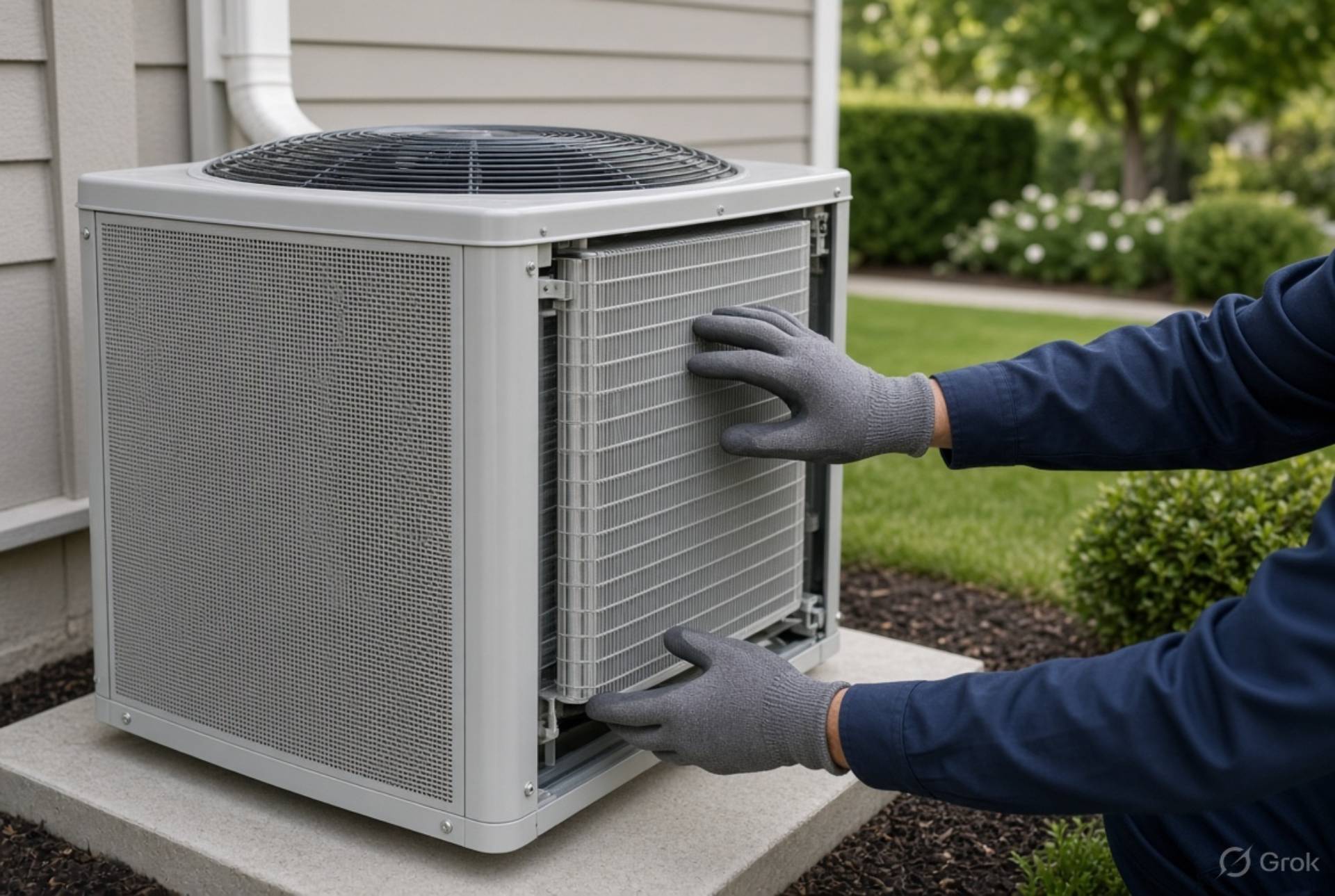
Most homeowners treat HVAC care as something they think about only when the system struggles on the hottest or coldest day of the year. That approach costs more over time. Preventive HVAC maintenance is simply the habit of keeping the system clean, balanced, and inspected on a regular schedule so it can do its job without extra strain.
When filters stay clean, airflow moves freely, heat-transfer surfaces remain free of buildup, and condensate drains properly, the equipment works closer to how it was designed. The result is steadier comfort, lower energy use, fewer unexpected repairs, and a better chance the unit will last closer to its expected service life.
Why Preventive Care Matters More Than Seasonal Checklists
A neglected system does not usually fail overnight. Dirt accumulates on coils. Filters restrict airflow. Electrical connections loosen. Small issues compound until the system runs longer, cycles more often, or stops altogether. Consistent maintenance interrupts that cycle. It keeps the equipment operating under less stress and makes developing problems visible before they turn into breakdowns.
This is not about promising zero repairs or a guaranteed number of extra years. It is about reducing unnecessary wear and giving the system the best conditions to perform reliably.
How Clean Components Improve Efficiency
Efficiency starts with unrestricted airflow and clean surfaces that transfer heat effectively.
- Dirty filters force the blower to work harder and reduce the volume of air moving across the coil. The system runs longer to reach the set temperature and uses more electricity.
- Dust and debris on evaporator or condenser coils act like insulation. Heat transfer slows, so the compressor and fan motors stay on longer.
- Restricted condensate drains can cause water to back up, which may freeze on the coil in cooling mode or create moisture problems that affect indoor air quality and system performance.
- Loose or corroded electrical connections increase resistance and can cause components to overheat or operate inefficiently.
When these basics are handled, the system reaches the desired temperature faster and cycles less often. Homeowners typically notice more even temperatures and lower utility bills during peak seasons.
Reliability Comes From Catching Problems Early
Reliability is the ability of the system to keep running when you need it most. Preventive visits give a technician the chance to measure pressures, check amp draws, inspect belts and bearings, test safety controls, and verify that the thermostat and control board communicate correctly.
Small corrections—tightening a connection, clearing a drain line, replacing a worn capacitor, or adjusting a charge—often prevent the larger failures that leave a house uncomfortable. Regular attention also reduces the chance that a minor issue will cascade into damage to the compressor or other major components.
Supporting Equipment Lifespan Without Overpromising
Manufacturers design HVAC equipment for a certain service life under normal conditions. Dirt, restricted airflow, and electrical stress shorten that life by making motors, compressors, and fans work harder than necessary. Keeping the system clean and properly adjusted removes many of those extra loads.
Maintenance records matter here. A history of service dates, findings, and part replacements helps a homeowner and technician see patterns. When a major repair is needed later, that record supports a clearer decision between repairing and replacing. It also demonstrates that the equipment received reasonable care, which can matter for warranty considerations in some cases.
Core Elements of Effective Preventive Maintenance
A thorough visit typically includes:
- Replacing or cleaning filters and checking that the correct size and type are used
- Cleaning indoor and outdoor coils and checking for proper airflow
- Clearing and testing condensate drains and pans
- Inspecting electrical connections, capacitors, contactors, and wiring
- Checking refrigerant charge and system pressures when conditions allow
- Lubricating moving parts where applicable and inspecting belts or fans
- Verifying thermostat calibration and control operation
- Looking for unusual noise, vibration, or signs of wear
Homeowners can support this work between visits by changing filters on schedule, keeping outdoor units clear of debris and vegetation, and listening for changes in how the system sounds or performs.
Professional Inspections and the Value of Records
While changing a filter is simple, many checks require tools, training, and safety knowledge. A trained technician can measure what the average homeowner cannot see and interpret the results in context. Annual or biannual professional service, timed before heavy cooling or heating seasons, is the most practical way to stay ahead of problems.
Keeping a simple log of service dates and notes turns scattered visits into a useful history. That history helps track gradual changes in performance and informs future decisions about repairs or replacement.
What Happens When Maintenance Is Skipped
Neglected systems often show familiar symptoms: higher energy bills, uneven temperatures between rooms, short cycling, unusual noises, frequent on-and-off operation, or water around the indoor unit. Comfort suffers first. Then reliability declines. Eventually the equipment may need major repairs sooner than expected. Addressing the root causes through consistent care is almost always less expensive and less disruptive than reacting to failures.
FAQ
How often is preventive HVAC maintenance needed?
Most systems do best with professional service once or twice a year, plus regular filter changes at home.
Can I handle maintenance myself?
Yes for filters and keeping the outdoor unit clear. Leave electrical, refrigerant, and deep cleaning to a trained technician.
Does it really lower energy bills?
Clean filters and coils help the system run more efficiently, which usually means lower energy use.
Will it stop every breakdown?
No. It reduces many common problems and catches issues earlier, but parts still wear out over time.
Conclusion
Preventive HVAC maintenance is practical ownership. By keeping filters clean, airflow unrestricted, heat-transfer surfaces free of buildup, drains clear, and electrical and control systems in good condition, homeowners support better efficiency, steadier reliability, and a stronger chance the equipment will deliver its expected service life. The work is straightforward, the benefits accumulate over seasons, and the alternative—waiting for problems—almost always costs more in energy, repairs, and discomfort. Consistent care remains one of the simplest ways to protect both comfort and the long-term value of the system.