
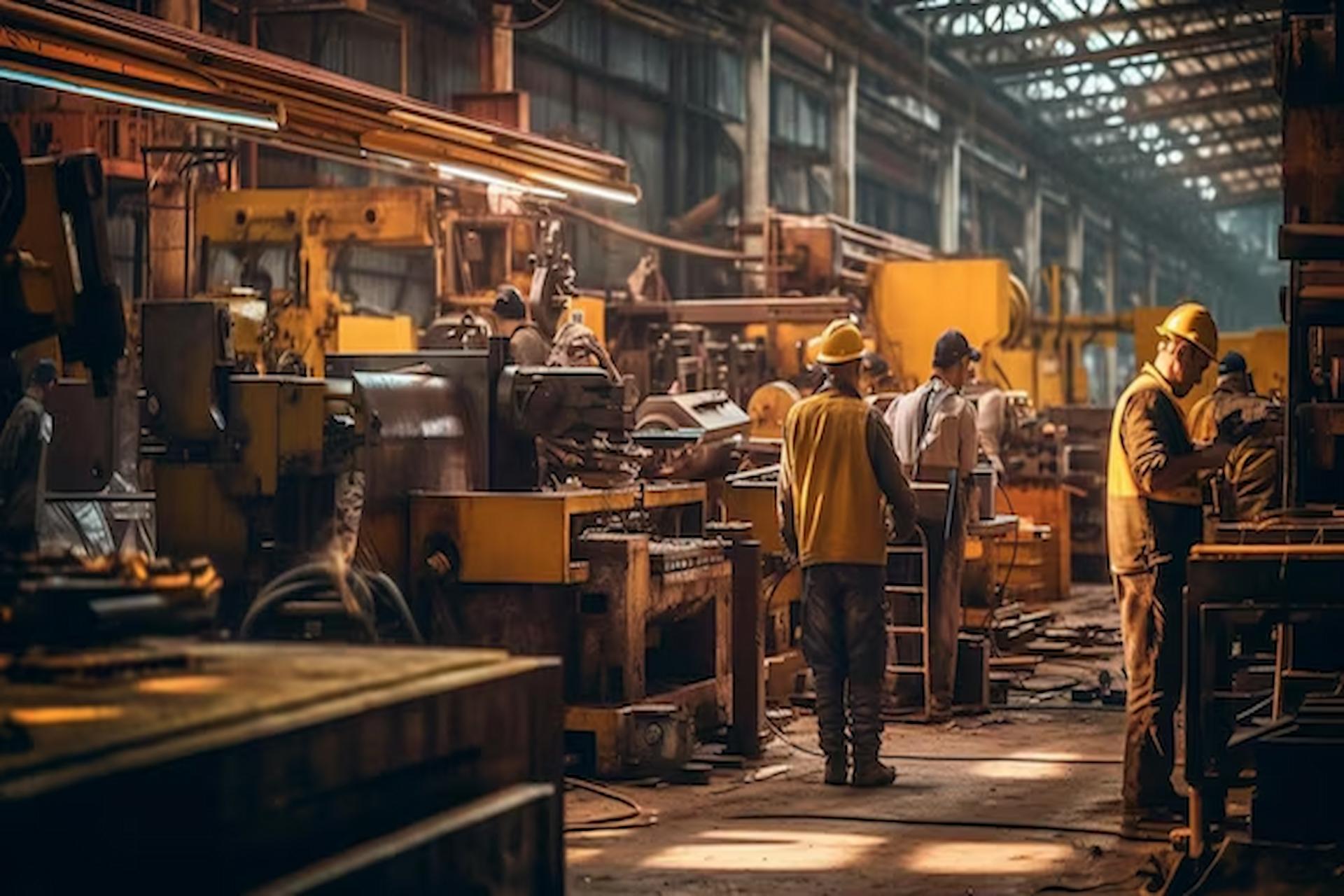
In the landscape of modern engineering and production, materials are not merely the building blocks of machinery and infrastructure—they are the backbone of innovation, efficiency, and longevity. Precision castings, made from alloys such as steel, aluminium, cobalt, and nickel, have become the unsung heroes of industries that demand durability and accuracy. Their role extends across aerospace, energy, automotive, and even medical fields, where failure is not an option, and performance is expected to endure under punishing conditions.
This article examines how the manufacturing of long-lasting precision castings is shaping the future of engineering, combining metallurgy, design, and advanced processes to meet the modern world’s increasingly demanding needs.
What Are Precision Castings?
Precision casting, often known as investment casting, is a manufacturing process that produces complex metal parts with remarkable accuracy and surface finish. Unlike traditional forging or machining, this technique allows manufacturers to create intricate geometries that would otherwise be difficult or uneconomical to produce.
The “precision” element refers not only to the acceptable tolerances achieved but also to the consistent quality across large production runs. When combined with high-performance alloys such as steel, aluminium, cobalt, and nickel, the result is a component that is not only functional but engineered to last.
The Importance of Durability in Modern Applications
Durability is more than just a desirable trait; it is a necessity in today’s demanding environments. Aircraft engines, power generation turbines, surgical implants, and high-performance vehicles all rely on components that must endure stress, heat, and corrosion for extended periods.
- Safety and reliability: In aerospace or healthcare, the failure of a single component can have catastrophic consequences.
- Cost efficiency: Longer-lasting castings reduce downtime, maintenance, and replacement costs.
- Sustainability: Extending product lifespan helps conserve raw materials and reduce waste, aligning with global goals for responsible manufacturing.
By focusing on long-lifespan alloys, precision casting manufacturers contribute directly to these critical priorities.
Key Materials Behind Long-Lifespan Precision Castings
The choice of material is central to the performance of any casting. Each alloy offers unique characteristics that can be tailored to specific applications.
Steel
Steel is one of the most versatile alloys used in casting. It offers excellent strength, toughness, and resistance to wear. In applications ranging from construction machinery to energy production, steel precision castings provide the backbone for structures that must withstand both load and time.
Aluminium
Aluminium castings are valued for their lightweight nature coupled with impressive strength. Their corrosion resistance makes them suitable for marine, automotive, and aerospace industries, where reducing weight improves efficiency without sacrificing durability.
Cobalt
Cobalt-based alloys are known for their ability to withstand extreme temperatures and resist wear. They are particularly common in gas turbines, aerospace engines, and medical implants, where longevity under stress is critical.
Nickel
Nickel alloys are prized for their high corrosion resistance and thermal stability. From chemical processing plants to jet engines, nickel precision castings perform where other materials would degrade or fail.
The Manufacturing Process: Precision Meets Innovation
Creating a long-lifespan precision casting is not a straightforward task. It requires a combination of traditional craftsmanship and modern technology.
- Wax Pattern Creation: A detailed wax replica of the component is produced.
- Ceramic Shell Building: The wax model is dipped in ceramic slurry and layered until a robust shell forms.
- Wax Removal: The wax is melted away, leaving a precise cavity.
- Metal Pouring: Molten alloy—steel, aluminium, cobalt, or nickel—is poured into the mould.
- Shell Removal and Finishing: The ceramic shell is broken away, and the casting is cleaned, heat-treated, and finished.
Advancements such as 3D printing of wax patterns and computer-aided design (CAD) integration have made this process faster, more accurate, and increasingly adaptable to complex geometries.
Applications Across Modern Industries
The durability and precision of these castings make them indispensable in a wide range of sectors:
- Aerospace: Jet engine blades, turbine housings, and structural components require alloys that withstand high temperatures and mechanical stress.
- Automotive: Lightweight aluminium castings contribute to fuel efficiency while steel components ensure safety and strength.
- Energy: Nickel and cobalt alloys are utilised in power generation turbines, allowing plants to operate at higher temperatures for extended periods.
- Healthcare: Cobalt-based alloys are favoured for surgical implants and dental devices, ensuring biocompatibility and long service life.
- Industrial machinery: Durable steel castings provide reliability for mining, construction, and heavy-duty equipment.
Challenges in Precision Casting Manufacturing
While the industry has advanced rapidly, several challenges remain:
- Material cost: High-performance alloys such as cobalt and nickel are expensive to source and process.
- Quality assurance: Achieving defect-free castings requires meticulous attention to detail, from mould preparation to final inspection.
- Sustainability pressures: As industries shift toward greener production, manufacturers must strike a balance between performance and environmentally responsible practices.
Innovations in recycling alloys, improvements in energy efficiency in foundries, and the adoption of digital manufacturing techniques are beginning to address these issues.
The Future of Durable Precision Castings
The next chapter in precision casting is likely to be defined by smart manufacturing and sustainability. Technologies such as digital twins, AI-driven quality control, and additive manufacturing integration will enhance accuracy while reducing waste. Meanwhile, ongoing research into advanced alloys promises even longer lifespans and superior performance.
As industries such as renewable energy, electric vehicles, and space exploration expand, the demand for precision castings that can withstand extreme environments will only increase. Manufacturers who focus on durability and innovation will play a crucial role in shaping this future.
Conclusion
Precision castings are far more than functional components—they are a testament to the marriage of science, craftsmanship, and innovation. By leveraging the properties of steel, aluminium, cobalt, and nickel, manufacturers are producing castings with extended lifespans that support safety, sustainability, and efficiency across industries.
In a world where reliability is non-negotiable and resources must be used responsibly, durable precision castings are not just meeting modern needs—they are driving the future of manufacturing itself.