
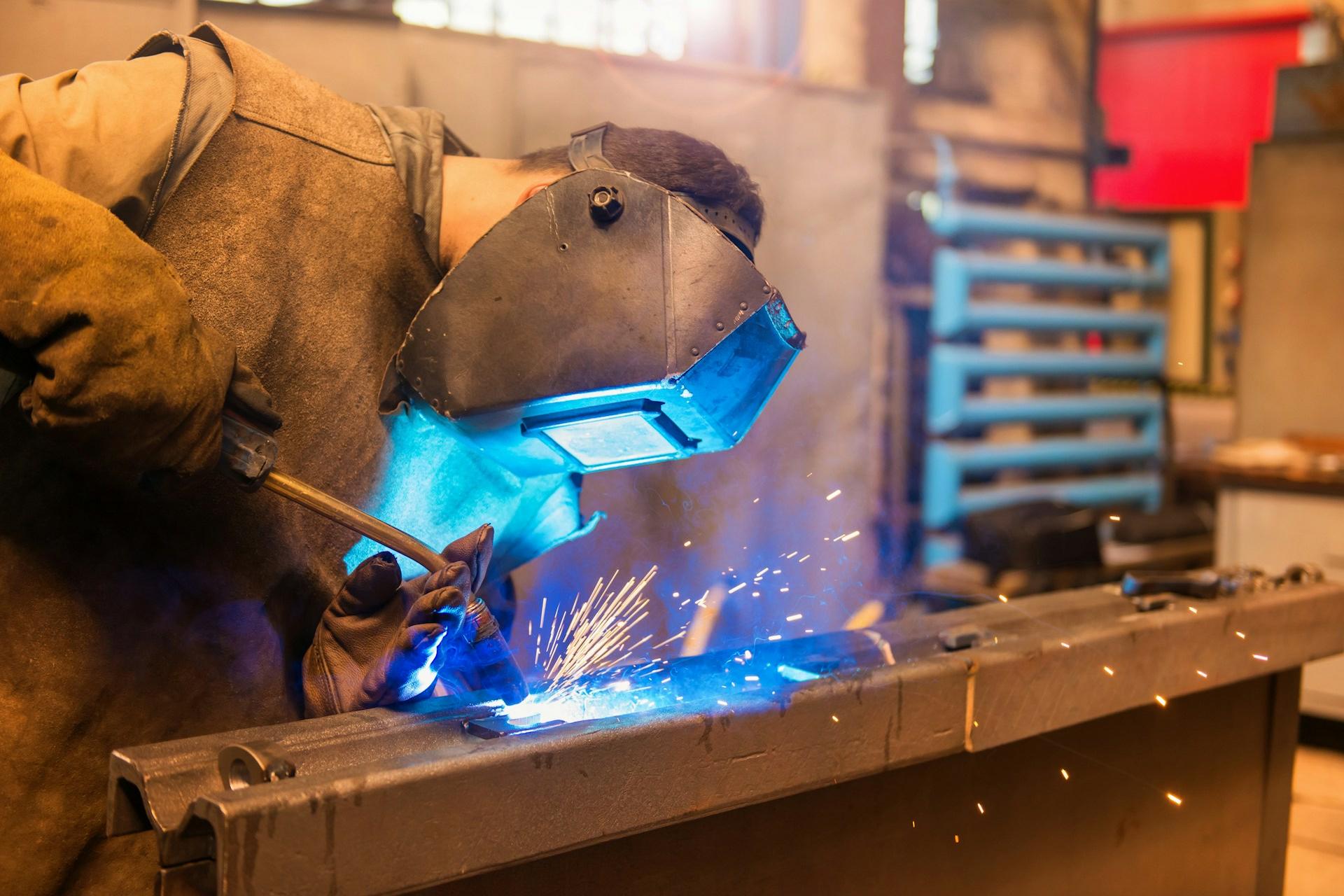
Manufacturing is often described as the foundation of modern civilisation, and for good reason. Every product people rely on—from smartphones and vehicles to medical devices and household appliances—begins with a manufacturing process. Despite rapid growth in digital industries and services, manufacturing remains a critical driver of economic development, technological innovation, and global trade.
Moreover, manufacturing does far more than simply produce goods. It supports millions of jobs, fuels supply chains, encourages research and development, and strengthens national economies. In fact, many of the world’s most advanced economies—from the United States and Germany to China and Japan—continue to prioritise strong manufacturing sectors.
This article explores why manufacturing remains the backbone of global industry, examining its economic importance, technological evolution, supply chain role, and long-term impact on innovation and sustainability.
Manufacturing as the Foundation of the Global Economy
Manufacturing is one of the most influential sectors in the global economy. It transforms raw materials into finished products, enabling industries across the world to function efficiently. Without manufacturing, modern economies would struggle to meet consumer demand or support technological progress.
According to international economic studies, manufacturing contributes trillions of dollars to global GDP each year. In many countries, it also accounts for a significant share of exports, strengthening international trade relationships and economic stability.
Several key factors explain why manufacturing remains economically essential:
- High economic output – Manufacturing produces large volumes of goods that contribute directly to national income.
- Strong export potential – Manufactured goods represent a major portion of global trade.
- Productivity gains – Advanced manufacturing techniques improve efficiency and reduce production costs.
- Economic multiplier effect – Manufacturing stimulates growth in related industries such as logistics, engineering, and raw material supply.
As a result, governments worldwide continue investing heavily in manufacturing infrastructure, technology, and workforce development.
The Manufacturing Sector Supports Millions of Jobs
Beyond its economic value, manufacturing is also a major source of employment worldwide. The industry provides jobs for engineers, technicians, designers, machine operators, logistics professionals, and supply chain specialists.
Historically, manufacturing has been a pathway to stable employment and career advancement. Even today, modern factories require highly skilled workers capable of operating advanced machinery and automated systems.
Manufacturing jobs also create a ripple effect across other sectors. When factories expand, they generate employment opportunities in:
- Transportation and logistics
- Equipment maintenance and engineering services
- Research and product development
- Packaging and distribution
- Retail and international trade
For every manufacturing job created, several additional jobs often emerge within the broader economic ecosystem. This multiplier effect strengthens regional economies and supports community development.
Furthermore, manufacturing increasingly focuses on high-skill careers, encouraging workforce training in robotics, digital systems, and industrial engineering.
Manufacturing Drives Innovation and Technological Progress
Another reason manufacturing remains the backbone of global industry is its role in driving technological innovation. Many of the world’s most important inventions originate within manufacturing environments.
Companies constantly seek new ways to improve efficiency, reduce costs, and enhance product performance. Consequently, they invest heavily in research and development (R&D).
Modern manufacturing is shaped by several transformative technologies:
- Automation and robotics improving production speed and precision
- Artificial intelligence and machine learning enabling predictive maintenance and quality control
- 3D printing and additive manufacturing allowing rapid prototyping and customised production
- Internet of Things (IoT) connecting machines for real-time data monitoring
- Smart factories integrating digital systems across entire production lines
These innovations collectively form what experts call Industry 4.0, the next generation of advanced manufacturing.
Importantly, technological breakthroughs developed in manufacturing often influence other industries, including healthcare, aerospace, construction, and consumer electronics.
The Critical Role of Manufacturing in Global Supply Chains
Manufacturing sits at the centre of global supply chains. Every product passes through a complex network of suppliers, producers, distributors, and retailers before reaching the consumer.
Efficient manufacturing systems ensure that these supply chains remain stable and responsive to changing demand.
For example, modern manufacturing facilities coordinate closely with suppliers to manage raw materials, components, and logistics. This coordination allows companies to maintain production schedules while avoiding costly delays.
Key components of manufacturing supply chains include:
- Raw material sourcing – Metals, plastics, chemicals, and other resources.
- Component production – Parts manufactured by specialised suppliers.
- Assembly operations – Final product construction and testing.
- Distribution networks – Warehousing, shipping, and global logistics.
- Retail and consumer delivery – The final step connecting products to buyers.
Recent global events have highlighted the importance of resilient manufacturing supply chains. Many industries are now investing in local production capacity and diversified sourcing to reduce risk.
Manufacturing Encourages Industrial Growth and Economic Development
Manufacturing plays a powerful role in shaping national economic growth. Countries with strong manufacturing sectors often enjoy higher levels of industrial development and technological capability.
Historically, industrialisation has been closely linked with manufacturing expansion. When nations develop modern manufacturing capabilities, they create new opportunities for:
- Infrastructure development
- Technological advancement
- Export growth
- Urban economic expansion
For emerging economies, manufacturing can provide a crucial pathway toward economic stability. By producing goods for domestic and international markets, these countries generate revenue, improve workforce skills, and build industrial expertise.
Even in highly developed economies, manufacturing remains essential for maintaining economic competitiveness and national security.
Sustainability and the Future of Responsible Manufacturing
As environmental concerns grow, manufacturing is evolving to prioritise sustainability and responsible production. Companies now recognise the importance of reducing environmental impact while maintaining efficient operations.
Modern manufacturers are implementing strategies that balance productivity with environmental responsibility.
These initiatives often include:
- Energy-efficient production systems
- Recycling and waste reduction programs
- Sustainable material sourcing
- Low-carbon manufacturing technologies
- Circular economy manufacturing models
For example, many factories now use renewable energy sources such as solar and wind power. Others invest in advanced technologies that minimise resource consumption during production.
In addition, digital monitoring tools allow manufacturers to track energy usage, emissions, and material efficiency more accurately than ever before.
These efforts demonstrate that sustainable manufacturing is not only environmentally beneficial but also economically viable.
Why Manufacturing Will Continue to Shape the Future
Looking ahead, manufacturing will remain central to global economic progress. While digital industries continue to grow, the physical production of goods remains indispensable.
Several emerging trends will influence the future of manufacturing:
- Smart manufacturing and automation will improve efficiency and reduce errors.
- Artificial intelligence integration will enhance decision-making across production systems.
- Advanced materials and nanotechnology will enable new product innovations.
- Resilient supply chains will strengthen global trade stability.
- Green manufacturing technologies will reduce environmental impact.
Furthermore, the demand for manufactured products continues to grow as global populations expand and living standards rise.
In short, manufacturing will remain the engine powering innovation, employment, and economic growth worldwide.
Final Thoughts
Manufacturing continues to serve as the backbone of global industry because it connects economic productivity, technological innovation, and global supply chains. From producing essential goods to driving research and development, manufacturing influences nearly every sector of the modern economy.
Its impact extends far beyond factory floors. Manufacturing supports millions of jobs, fuels international trade, and enables the development of new technologies that shape everyday life.
As industries adopt smarter technologies and sustainable production methods, manufacturing will become even more efficient and resilient. Ultimately, the strength of the global economy will continue to depend on the innovation, productivity, and adaptability of the manufacturing sector.