
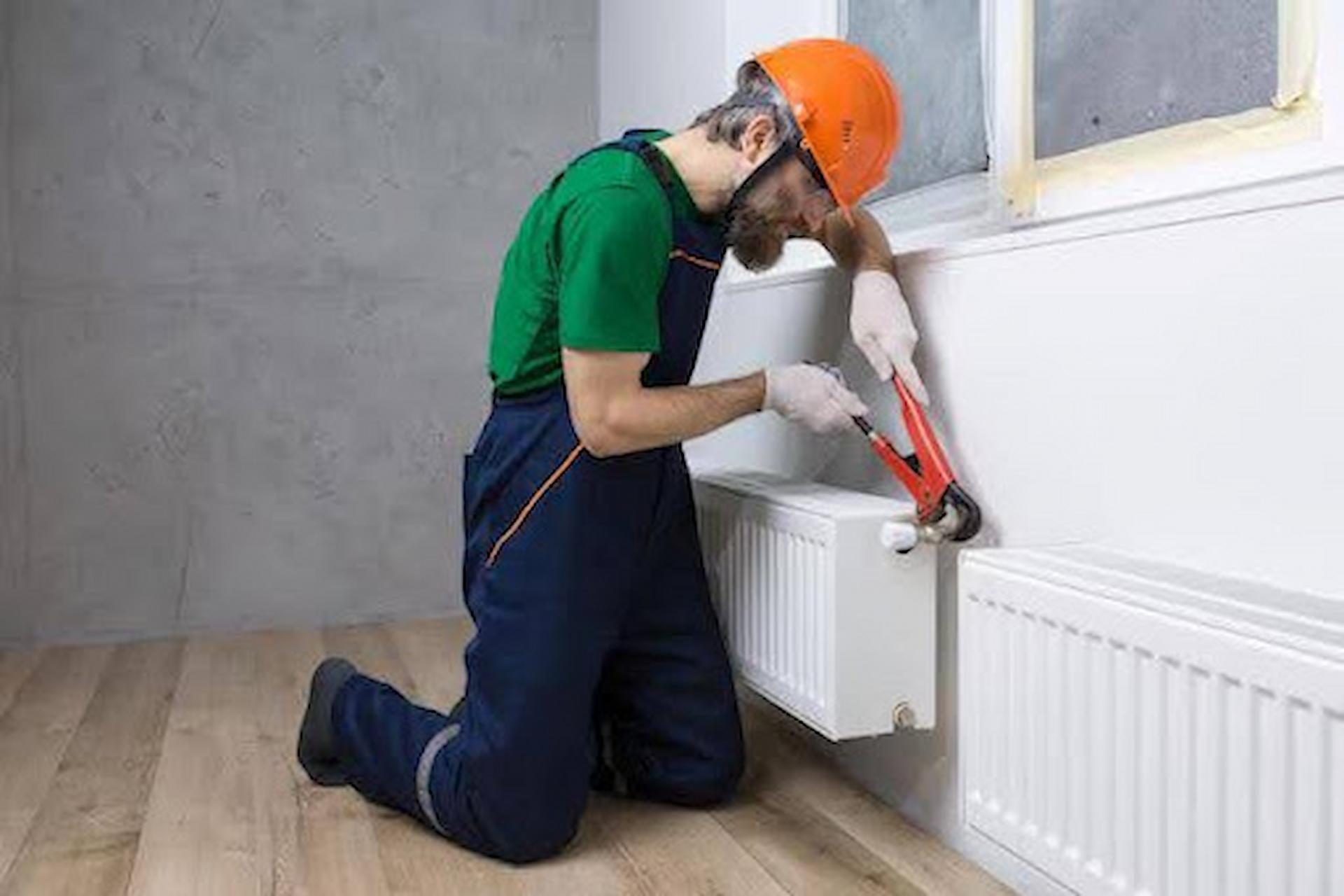
Installing a radiator at home involves more than simply mounting it on the wall. Small mistakes in sizing, placement, or pipe connections can reduce heat output, increase energy bills, and cause uneven room temperatures. Issues like poor airflow or incorrect valve positioning often go unnoticed at first but can lead to long-term performance problems. Here, we highlight the most common radiator installation mistakes and how avoiding them helps ensure efficient heating, lasting comfort, and reliable performance for years to come.
Heating problems often begin long before winter arrives. They usually start with small decisions made during radiator installation—choices that seem minor at the time but shape how a home feels for years. Poor placement, incorrect sizing, or rushed fitting can leave rooms slow to warm, uneven in temperature, and more expensive to heat than expected. Choosing the best place to install a radiator for heat distribution is one of the earliest and most influential decisions, as it determines how effectively warmth moves through the room.
Modern radiators are built to operate efficiently, but their performance depends on how well they are positioned and fitted. Understanding common installation mistakes helps homeowners avoid wasted energy and ensures a heating system that delivers steady, balanced comfort throughout the colder months.
When Placement Works Against You
How blocked airflow limits warmth
Radiators rely on natural air movement to spread heat. When furniture, curtains, or shelving units block airflow, warm air becomes trapped close to the radiator. This creates hot spots near the unit and cooler areas elsewhere. Over time, this imbalance can make heating feel unreliable even when the system is working correctly.
Why height can quietly reduce efficiency
Installing a radiator too high slows down the natural rise of warm air, while placing it too low can expose it to draughts. Both situations limit effective circulation. A well-considered height allows heat to travel naturally and reach all parts of the room.
Getting the Size Wrong from the Start
Why visual appeal should never dictate output
Design and finish often influence buying decisions, but heat output matters more. A radiator that looks appealing but lacks sufficient capacity will struggle to warm the room properly. Heat output ratings help indicate whether a unit is suitable for the space.
Matching heat output to how rooms are actually used
Each room has different heating needs. Larger spaces, open layouts, and areas with higher ceilings require more output. Failing to account for these factors often leads to persistent cold zones and overworked heating systems.
Installation Slips That Undermine Heating
The hidden impact of an uneven fit
A radiator that is not level can trap air inside, preventing hot water from circulating fully. This often results in cold sections that reduce overall performance. Levelling during installation avoids this problem and supports consistent heating.
Pipe positioning mistakes that affect longevity
Pipes that are forced into position place stress on joints and valves. Over time, this can cause leaks or uneven heat flow. Proper alignment protects the system and ensures steady operation.
Heat Loss You Don’t See but Pay For
What happens when walls leak warmth
Mounting a radiator on a poorly insulated external wall allows heat to escape outdoors. This reduces the amount of warmth available inside and increases energy use as the system works harder to compensate.
Why reflective backing is often overlooked
Reflective panels behind radiators help direct heat back into the room. Without them, a portion of the warmth is absorbed by the wall, lowering efficiency. This simple addition can noticeably improve performance.
Control Problems That Waste Energy
Living without room-by-room temperature control
Without thermostatic valves, radiators operate at full output regardless of room conditions. This often leads to overheating in some areas and insufficient warmth in others, increasing energy consumption.
Valve positioning errors that blunt performance
Valves must sense room temperature accurately to regulate heat. When positioned poorly or obstructed, they fail to respond correctly, reducing control and efficiency.
Air and Pressure Issues Inside the System
How trapped air creates cold zones
Air pockets prevent hot water from filling the radiator completely. This leads to uneven heating and reduced output. Bleeding the radiator removes trapped air and restores balanced warmth.
The risks of incorrect system pressure
Too much pressure strains the system, while too little reduces circulation. Maintaining balanced pressure supports efficient heating and protects system components from damage.
Why Central Living Spaces Deserve Extra Thought
In many homes, central rooms influence how warmth spreads to surrounding areas. Poor radiator placement here can affect comfort throughout the house. Choosing the best place to install a radiator for heat distribution in these spaces helps promote even temperatures across connected rooms and reduces the need for constant adjustments.
Style Decisions That Restrict Heat Flow
When decorative covers work against comfort
Covers may enhance appearance, but many restrict airflow. This reduces the amount of heat released into the room and limits efficiency. If used, covers should allow sufficient ventilation.
Paint finishes that subtly affect output
Heavy paint layers can slightly reduce heat transfer. Using finishes designed for radiators helps maintain effective heat release.
Safety and Electrical Details Often Missed
Clearance gaps that protect performance and safety
Radiators require adequate space around them to operate safely. Installing them too close to electrical fittings or appliances can affect airflow and pose safety risks.
Why partial DIY installs cause long-term issues
While small tasks may seem manageable, full installations require technical knowledge. Incomplete or incorrect DIY work often leads to reduced efficiency and avoidable repairs later.
Simple Habits That Improve Results
- Select radiator output based on room size and layout.
- Keep surrounding areas clear to allow free airflow.
- Use reflective panels on external walls.
- Check alignment and level before final installation.
- Add thermostatic valves for better temperature control.
A Measured Wrap-Up on Smarter Installation Choices (150 words)
Installing a radiator correctly is about more than fitting a unit to a wall. Every decision, from sizing to positioning, shapes how comfortably a home heats and how efficiently energy is used. Many common mistakes stem from overlooking airflow, underestimating heat requirements, or focusing on appearance rather than performance. By paying attention to these details, homeowners can avoid cold spots, reduce strain on their heating systems, and create a more balanced indoor environment. Careful planning, proper controls, and thoughtful placement make a measurable difference over time. Selecting the best place to install a radiator for heat distribution ensures warmth spreads evenly and supports consistent comfort across the home. Taking the time to get installation right today leads to dependable heating tomorrow, lower running costs, and a space that feels comfortable without constant adjustment.