
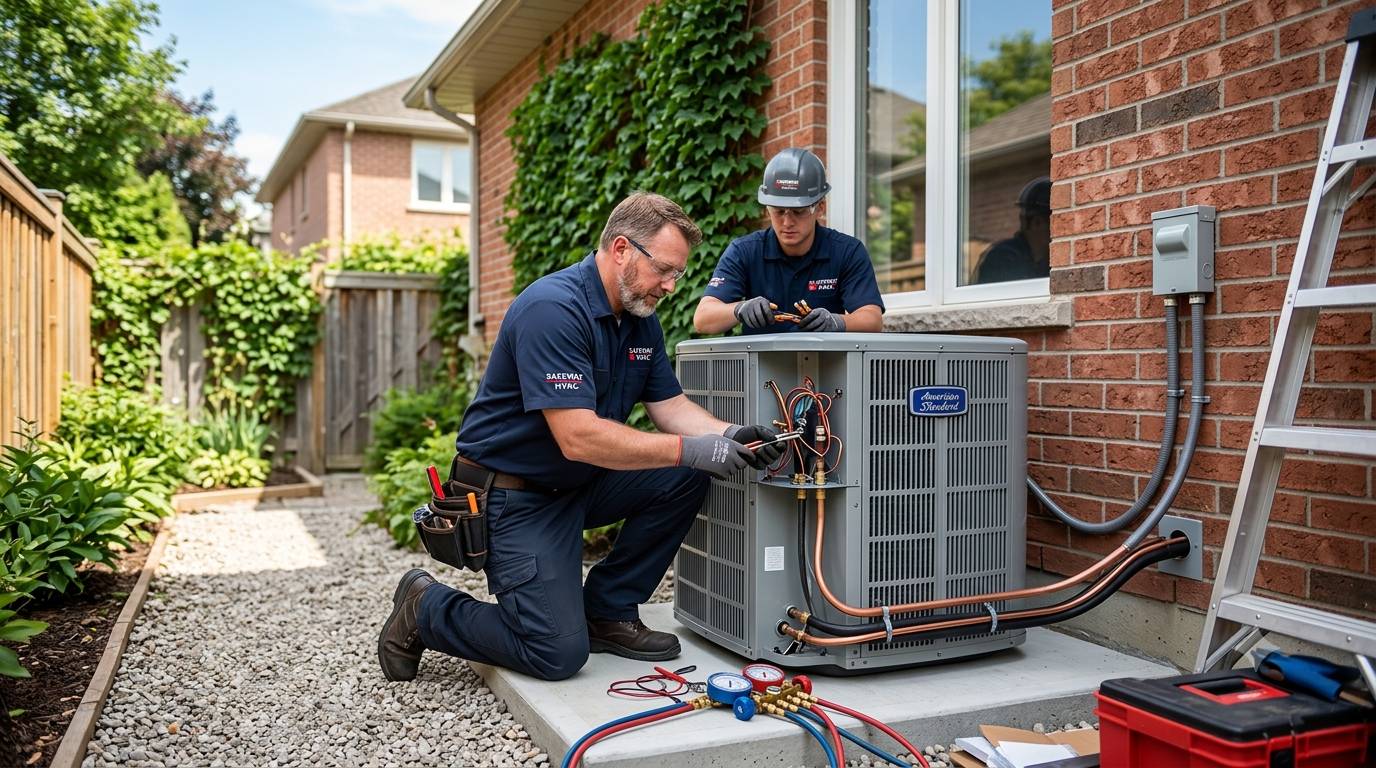
Choosing a new air conditioning system is a significant decision for any household. The equipment itself receives most of the attention, yet the quality of the installation often determines how well that system performs for years to come.
Many homeowners focus on brand names, energy ratings or purchase price while underestimating the importance of correct sizing, careful placement and thorough testing. Overlooking these details can lead to uneven cooling, higher running costs and a shorter equipment life. This is why careful planning around professional AC installation in Sapulpa makes a noticeable difference to long-term comfort and reliability.
Correct System Sizing Matters More Than Most People Realise
An air conditioner that is too large for the property will cool the air quickly but fail to remove enough humidity. The result is a space that feels clammy even when the temperature reading looks acceptable. A unit that is too small will run almost continuously without ever reaching the set temperature on the hottest days. This is why accurate sizing forms such an important part of professional AC installation in Sapulpa.
A proper load calculation takes into account the size of the rooms, the quality of insulation, the number and orientation of windows, and local climate conditions. Skipping this step and relying on rough rules of thumb frequently leads to discomfort and unnecessary energy use. Taking time to measure the actual requirements of the house prevents these common problems and supports more reliable long-term performance.
Placement of the Indoor and Outdoor Units
The position of both the indoor air handler and the outdoor condenser affects performance and noise levels. An outdoor unit placed too close to a wall, fence or dense planting will struggle to release heat efficiently. Poor airflow around the condenser raises operating temperatures and shortens the life of the compressor.
Indoors, the air handler needs adequate space for service access and proper duct connections. Locating it in a cramped cupboard or poorly ventilated loft can create maintenance difficulties later. Thoughtful placement from the outset avoids these frustrations and supports quieter, more efficient operation.
Ductwork Condition and Design
Existing ductwork is often left unchanged when a new system is fitted. Leaky, poorly insulated or incorrectly sized ducts waste cooled air before it reaches the rooms. In some properties the original ducts were never designed for the airflow of a modern high-efficiency unit.
Inspecting and, where necessary, sealing or resizing the duct network forms an essential part of a quality installation. Addressing duct issues at the same time as fitting the new equipment prevents the disappointment of weak airflow in certain rooms once the system is running.
Electrical Supply and Safety Requirements
A new air conditioner may draw more current than the previous unit, especially if the homeowner upgrades capacity or efficiency. The existing electrical circuit, breaker and wiring must be checked to confirm they can handle the load safely. Inadequate electrical provision can cause breakers to trip or, in worst cases, create a fire risk.
Qualified installers assess the electrical supply as part of the process and arrange any necessary upgrades. This step is sometimes overlooked when the focus remains solely on the air conditioning equipment itself, yet it is fundamental to safe and reliable performance. Ensuring these electrical details are properly addressed protects both the system and the household.
Refrigerant Charge and Final Testing
Even a correctly sized and well-placed system will underperform if the refrigerant charge is inaccurate. Too little refrigerant reduces cooling capacity; too much can damage the compressor. Precise measurement and adjustment during commissioning are essential.
Final testing should include checking airflow at every outlet, confirming that the thermostat communicates correctly, and verifying that the condensate drain flows freely. These finishing steps catch small issues before they become ongoing annoyances. A thorough commissioning process separates a satisfactory installation from an excellent one.
Choosing the Right Installer
Experience with the specific equipment being fitted, clear communication about the process, and a willingness to explain sizing and placement decisions are all worth seeking. Written details of the work to be carried out, including any duct or electrical modifications, help avoid misunderstandings.
Homeowners who ask about load calculations, duct assessment and post-installation testing are more likely to receive a system that performs as expected from the first day. Taking time to select an installer who treats these elements as standard practice reduces the chance of future problems.
Conclusion
A successful air conditioning installation depends on far more than the quality of the equipment alone. Correct sizing, careful placement, attention to ductwork and electrical supply, accurate refrigerant charging and thorough testing all influence daily comfort and long-term reliability. Homeowners who give these elements equal weight with the choice of unit itself are far more likely to enjoy consistent cooling and fewer unexpected issues in the years ahead.