
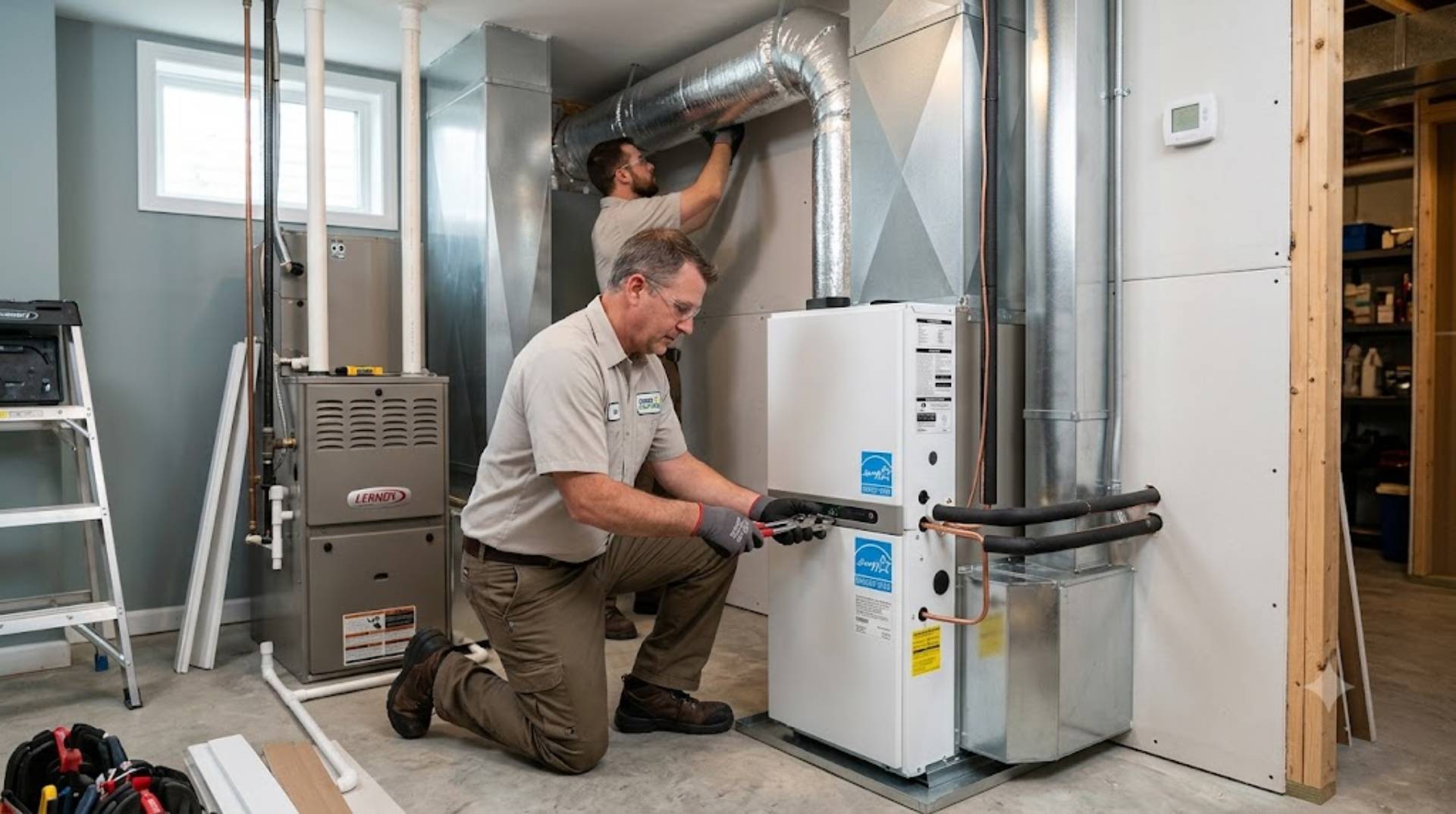
A well-tuned HVAC system is only part of the comfort equation. The rest of the house either helps it run efficiently or forces it to work harder than it should. When insulation leaks, windows are single-pane, or ducts are poorly sealed, even a modern unit cycles more often, uses more energy, and wears out faster. The good news is that a handful of targeted upgrades can dramatically improve how your system performs without requiring a full equipment replacement.
Homeowners looking for practical ways to cut energy use often start by pairing smarter building improvements with reliable service. Residents seeking affordable HVAC services in Glendale, AZ frequently discover that small changes to the home envelope deliver outsized results when the heating and cooling equipment is already properly sized and maintained.
These upgrades do not have to be expensive or disruptive. Many can be completed room by room or during a single weekend project. The key is choosing measures that reduce the load on your HVAC system so it runs less frequently and more steadily.
Seal Air Leaks First
Air leakage is one of the most common and least visible energy drains. Gaps around windows, doors, electrical outlets, recessed lights, and attic hatches allow conditioned air to escape and outdoor air to enter. In summer this forces the air conditioner to remove extra heat and humidity; in winter the furnace works overtime to replace lost warmth.
A simple walk-through with a stick of incense or a thermal camera can reveal the biggest offenders. Weatherstripping on exterior doors, caulk around window frames, and foam gaskets behind outlet covers are inexpensive fixes that pay for themselves quickly. In the attic, sealing the top plates of walls and the edges of the drywall ceiling stops the stack effect that pulls air upward and out of the house.
Once major leaks are closed, your HVAC system no longer has to compensate for constant infiltration. The result is shorter run times, more even temperatures, and lower utility bills.
Upgrade Insulation Where It Matters Most
Insulation works hand in hand with air sealing. Attics are usually the highest priority because heat rises and roofs absorb intense sun. Adding cellulose or fiberglass to reach current recommended levels can drop attic temperatures by 20–30 degrees on a hot afternoon, reducing the amount of heat that radiates into living spaces.
Walls are harder to retrofit, but blown-in insulation can be added through small holes that are later patched. Floors over crawl spaces or unconditioned basements also benefit from proper insulation and a sealed vapor barrier. When the thermal boundary of the house is continuous and adequately thick, the HVAC system maintains comfort with far less effort.
Improve Windows and Window Treatments
Windows are a major pathway for both heat gain and heat loss. Full replacement with high-performance double- or triple-pane units is ideal, yet it is not always necessary. Applying low-e window film, installing cellular shades, or adding storm windows can cut solar heat gain significantly while preserving natural light.
In south- and west-facing rooms, exterior shading such as awnings or properly placed deciduous trees can block summer sun while still allowing winter warmth. These passive strategies keep rooms cooler so the air conditioner does not have to remove as much heat, and they help the furnace retain warmth more effectively in colder months.
Optimize Ductwork and Airflow
Even the best equipment performs poorly if the duct system is leaky or restricted. Studies show that typical homes lose 20–30 percent of conditioned air through duct leaks in attics, crawl spaces, or unfinished basements. Sealing those leaks with mastic or specialized tape, then insulating the ducts, delivers immediate efficiency gains.
Balancing supply and return airflow is equally important. Closing doors to unused rooms or adding return pathways prevents pressure imbalances that force the system to work harder. Clean filters and unobstructed registers also keep airflow strong so the equipment can transfer heat efficiently rather than short-cycling.
Add Smart Controls and Zoning
Programmable or smart thermostats learn household patterns and avoid heating or cooling empty spaces. Many models now integrate with occupancy sensors or geofencing so the system adjusts automatically when the house is vacant. Zoning systems take the idea further by dividing the home into separate temperature zones controlled by individual dampers or mini-split units.
These controls reduce runtime without sacrificing comfort. They also provide data that helps identify rooms that are harder to condition, pointing toward additional insulation or air-sealing opportunities.
Consider Supplemental Ventilation and Dehumidification
In humid climates, excess moisture makes the air feel warmer and forces the air conditioner to run longer to reach the set point. A whole-house dehumidifier or energy-recovery ventilator can handle moisture separately, allowing the cooling system to focus on temperature. Proper ventilation also improves indoor air quality by bringing in filtered outdoor air while exhausting stale indoor air, reducing the load on the HVAC filter.
Lighting and Appliance Choices That Help
Although lighting and appliances do not connect directly to the HVAC system, they generate heat that the air conditioner must remove. Switching to LED bulbs and Energy Star appliances cuts that internal heat gain. In summer the difference is measurable; in winter the reduced heat output is offset by better insulation and air sealing, so the furnace still operates efficiently.
Sequencing the Work for Maximum Benefit
The most cost-effective approach is to improve the building envelope before replacing HVAC equipment. Air sealing, insulation, and duct repairs lower the heating and cooling load, which may allow a smaller, less expensive system if replacement eventually becomes necessary. Even if the current equipment stays, the reduced load extends its life and improves comfort.
Start with a professional energy assessment if possible. A blower-door test and infrared scan identify the biggest opportunities so money is spent where it produces the greatest return. Many utility companies offer rebates for insulation, air sealing, and efficient windows, further improving the payback period.
Everyday Habits That Support Efficiency
Keep furniture and curtains clear of supply and return vents. Change filters on schedule. Use ceiling fans to create a breeze so the thermostat can be set a few degrees higher in summer. Close blinds on sunny windows during the hottest part of the day. These low- or no-cost habits amplify the benefits of the physical upgrades.
Energy-efficient home improvements and a properly maintained HVAC system reinforce each other. Sealed, insulated, and well-controlled spaces require less runtime, which means lower energy costs, quieter operation, and longer equipment life. By focusing first on the building envelope and duct system, homeowners create conditions in which their heating and cooling equipment can perform at its best for years to come.
Conclusion
Implementing energy-efficient home upgrades remains one of the smartest ways to maximize HVAC system performance and achieve meaningful energy savings. By prioritizing air sealing, attic and wall insulation, duct improvements, smart controls, and thoughtful window treatments, homeowners can significantly lower energy consumption, extend equipment lifespan, and enjoy more reliable indoor comfort.
These complementary upgrades reduce the strain on heating and cooling systems, leading to fewer breakdowns, quieter operation, and noticeable reductions in monthly utility bills. When the building envelope and ductwork support efficient HVAC operation, the entire home becomes more comfortable, sustainable, and cost-effective. Start with the highest-impact improvements first, and your HVAC system will reward you with dependable performance and lower operating costs for years to come.