
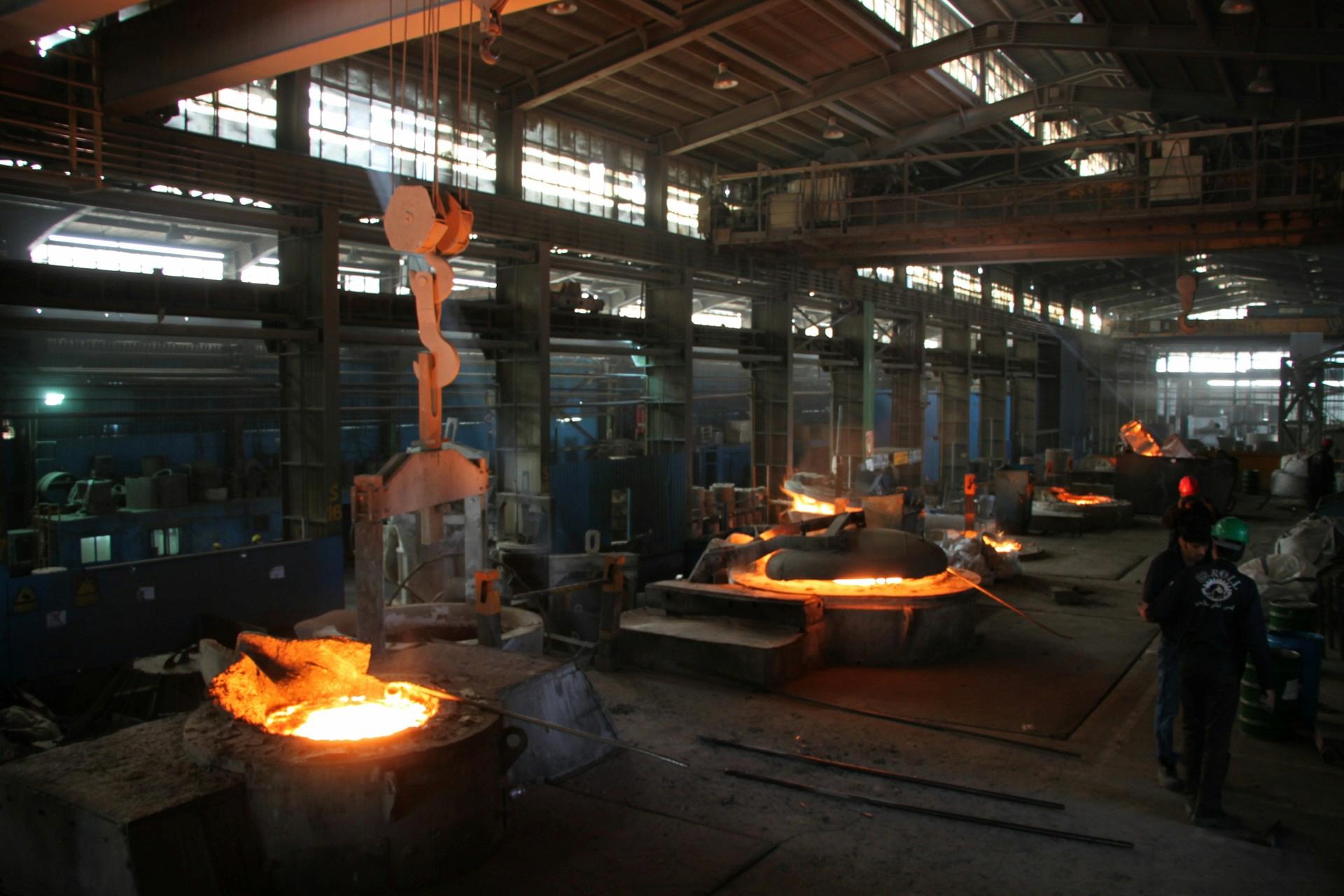
Manufacturing has evolved dramatically over the past few decades. Once defined primarily by heavy machinery and manual labour, today’s manufacturing sector operates at the intersection of technology, automation, and global connectivity. As industries continue to modernise, manufacturing remains a central force shaping economic development, product innovation, and industrial competitiveness worldwide.
In the modern age, manufacturing is no longer just about producing goods at scale. Instead, it focuses on advanced manufacturing technologies, smart production systems, digital transformation, and sustainable industrial practices. These developments have transformed factory floors into highly efficient environments where data, robotics, and artificial intelligence play essential roles in daily operations.
Understanding the changes shaping modern manufacturing helps businesses, policymakers, and consumers recognise how innovation and efficiency continue to strengthen the global industrial landscape.
The Evolution of Modern Manufacturing in the Digital Era
Manufacturing has progressed through several industrial revolutions, each introducing new technologies that reshaped production processes. The transition from manual craftsmanship to mechanised production marked the first major shift, followed by electrification and mass production techniques during the twentieth century.
Today, the industry has entered what many experts describe as Industry 4.0, a period characterised by digital integration, intelligent machines, and real-time data analysis. Unlike earlier stages of industrial development, modern manufacturing connects machines, production lines, and supply chains through advanced digital networks.
This transformation allows manufacturers to monitor performance, predict maintenance needs, and optimise production efficiency with remarkable accuracy. As a result, companies can reduce downtime, improve product quality, and respond more quickly to market demand.
Moreover, digitalisation has introduced new possibilities for collaboration between engineers, designers, and production teams. With cloud-based systems and digital modelling tools, manufacturers can test product designs virtually before production begins, reducing waste and improving efficiency.
Innovation at the Core of Advanced Manufacturing Technologies
Innovation remains one of the strongest drivers of growth in modern manufacturing. As global competition increases, companies invest heavily in research and development to improve production methods and introduce new products.
Advanced manufacturing technologies have significantly improved productivity while expanding the capabilities of industrial systems. Automation and robotics now perform complex tasks that once required manual labour, increasing precision and reducing the likelihood of human error.
Additionally, artificial intelligence has become a valuable tool in manufacturing environments. AI-powered systems analyse vast amounts of production data to identify patterns, predict equipment failures, and recommend improvements. These insights enable manufacturers to maintain consistent quality while reducing operational costs.
Another important technological advancement is additive manufacturing, commonly known as 3D printing. This technology allows companies to produce components layer by layer, making it easier to create customised parts and prototypes. As a result, manufacturers can develop new products faster and experiment with innovative designs without expensive tooling.
Efficiency and Productivity in Smart Manufacturing Systems
Efficiency has always been a priority in manufacturing, but modern technology has elevated productivity to unprecedented levels. Smart manufacturing systems combine automation, digital monitoring, and advanced analytics to streamline production processes.
These systems rely on interconnected machines and sensors that collect real-time data throughout the manufacturing cycle. Engineers use this information to identify inefficiencies, adjust workflows, and ensure that production lines operate at optimal capacity.
One of the most significant advantages of smart manufacturing is the ability to maintain consistent product quality. Automated inspection systems and machine vision technologies detect defects during production, allowing manufacturers to correct problems before products reach the market.
Furthermore, modern production environments increasingly rely on predictive maintenance strategies. Instead of waiting for equipment to fail, manufacturers analyse machine performance data to schedule maintenance proactively. This approach reduces costly downtime and extends the lifespan of industrial equipment.
The Role of Global Supply Chains in Modern Manufacturing
Manufacturing does not operate in isolation. Instead, it functions within complex global supply chains that connect raw material suppliers, component manufacturers, assembly facilities, distributors, and retailers.
Global supply chains allow manufacturers to access specialised materials and expertise from different regions of the world. As a result, companies can optimise production costs and deliver products to international markets more efficiently.
However, recent global disruptions have highlighted the importance of supply chain resilience. Many organisations are now reconsidering traditional sourcing strategies to reduce dependency on single suppliers or distant production hubs.
Modern manufacturers increasingly adopt digital supply chain management systems that improve transparency and coordination across production networks. These systems allow companies to track materials, monitor shipments, and adjust production schedules quickly when disruptions occur.
By strengthening supply chain visibility and flexibility, manufacturers can maintain stable production even during uncertain economic conditions.
Sustainable Manufacturing and Environmental Responsibility
As industries expand, sustainability has become a central concern for manufacturers worldwide. Governments, consumers, and investors increasingly expect companies to reduce environmental impact while maintaining efficient operations.
Modern manufacturing is responding by adopting environmentally responsible production practices. Energy-efficient machinery, renewable energy sources, and resource-saving technologies are helping factories reduce carbon emissions and energy consumption.
In addition, many companies now prioritise waste reduction through recycling programs and circular production systems. These strategies aim to reuse materials whenever possible, minimising the amount of industrial waste sent to landfills.
Sustainable manufacturing also supports long-term economic benefits. By reducing energy use and material waste, companies can lower operational costs while improving environmental performance.
Furthermore, manufacturers increasingly design products with sustainability in mind. This approach involves selecting eco-friendly materials, improving product durability, and ensuring that products can be recycled or repurposed at the end of their lifecycle.
Workforce Skills and the Future of Industrial Employment
While automation has transformed factory operations, human expertise remains essential to modern manufacturing. Today’s workforce requires a combination of technical knowledge, digital literacy, and problem-solving skills to manage advanced production systems.
Modern manufacturing careers now include roles such as robotics technicians, automation engineers, data analysts, and digital production specialists. These positions require specialised training and ongoing education to keep pace with rapidly evolving technologies.
Educational institutions and training programmes increasingly collaborate with manufacturers to prepare workers for the demands of advanced industrial environments. Apprenticeships, technical certifications, and industry partnerships play a critical role in developing the next generation of manufacturing professionals.
At the same time, digital tools have made manufacturing jobs safer and more efficient. Automated systems now handle many physically demanding tasks, allowing workers to focus on supervision, system optimisation, and quality control.
As the industry continues to evolve, investment in workforce development will remain essential for maintaining productivity and innovation.
The Future of Manufacturing: Growth Through Technology and Collaboration
Looking ahead, manufacturing will continue to play a pivotal role in shaping global economic growth. Emerging technologies and collaborative industrial strategies promise to unlock new levels of efficiency and innovation.
Artificial intelligence, advanced robotics, and smart factory systems will likely become even more integrated into production environments. These technologies will allow manufacturers to adapt quickly to changing consumer demands while maintaining high levels of precision and productivity.
At the same time, global collaboration between industries, governments, and research institutions will accelerate technological development. Shared knowledge and joint innovation projects will help manufacturers solve complex challenges related to sustainability, supply chain resilience, and industrial efficiency.
Ultimately, manufacturing in the modern age represents a dynamic and evolving sector. By combining innovation, efficiency, and responsible practices, manufacturers continue to drive progress across the global economy.
Conclusion:
Manufacturing remains one of the most influential sectors in the global economy. Through continuous innovation, improved efficiency, and expanding technological capabilities, modern manufacturing has transformed how products are designed, produced, and delivered.
The integration of digital technologies, advanced automation, and sustainable practices ensures that manufacturing will continue to evolve alongside global economic demands. As industries adapt to new challenges and opportunities, manufacturing will remain a cornerstone of industrial development and technological progress.
By embracing innovation and investing in workforce development, manufacturers can strengthen their role as leaders in global industry. In doing so, they will continue to shape the future of production, technology, and economic growth for generations to come.