
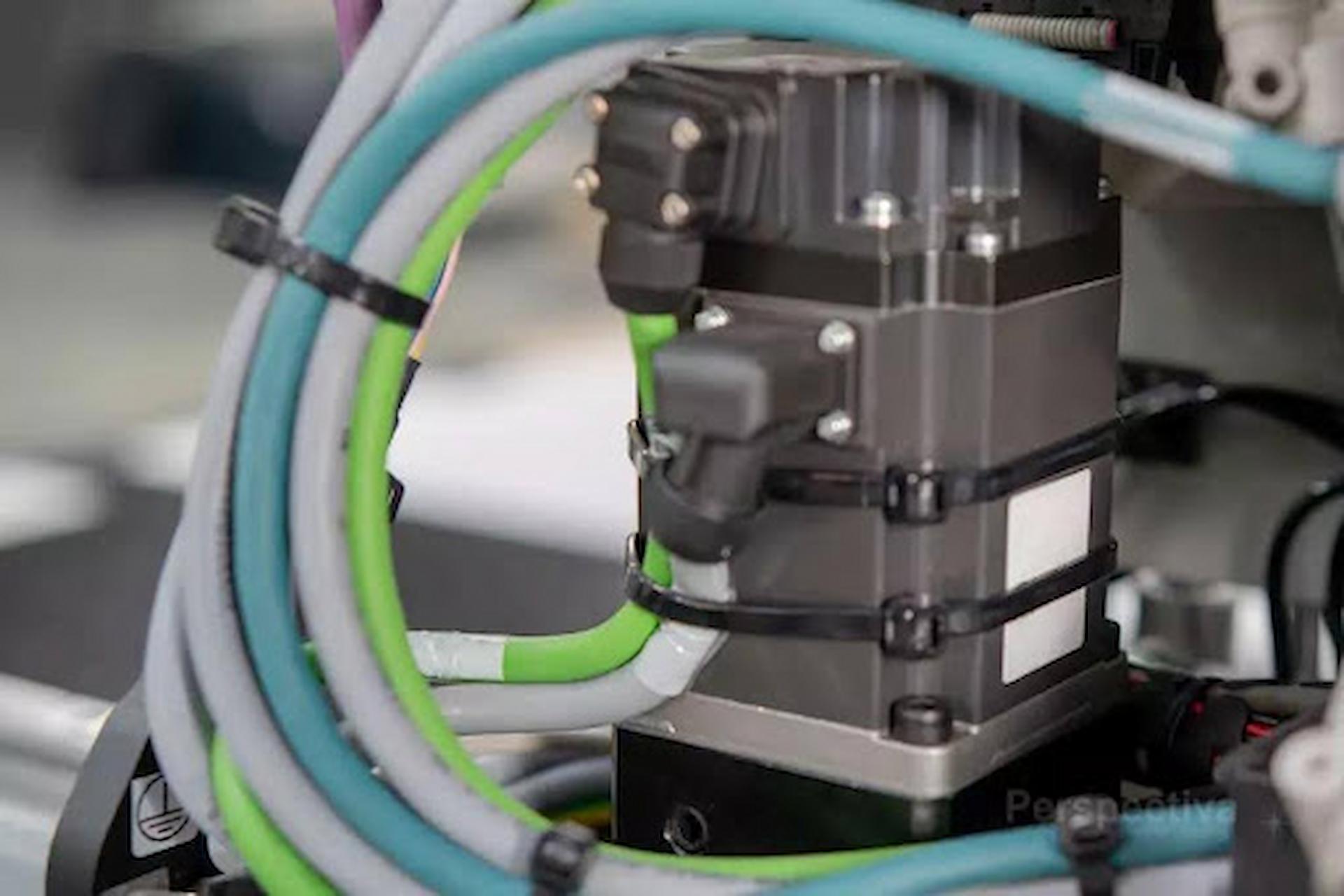
In the world of automation, precision and efficiency are vital. A Servo Drive plays a critical role in achieving both by providing accurate motion control and optimised performance. This article explores how servo drives work, their benefits, and why they are essential for modern automated systems.
Automation has transformed industries worldwide, demanding systems that are faster, smarter, and more reliable. At the heart of this transformation lies the Servo Drive, a crucial component that ensures machines operate with exceptional precision and efficiency. More than just a control device, servo drives are the backbone of high-performance automation, powering everything from robotics to advanced manufacturing systems.
A Servo Drive is an electronic amplifier that regulates the power sent to a servo motor, ensuring it follows the commands of a control system with accuracy. It constantly monitors signals from feedback devices, adjusting motion in real-time to maintain the correct position, speed, and torque. This ability to fine-tune performance makes servo drives indispensable in complex automation tasks.
Why Servo Drives are Essential in Automation
Servo drives are not just supportive components; they are enablers of precision and productivity. Their role includes:
- Accurate Control: Servo drives allow machinery to perform intricate tasks with exact positioning.
- Energy Efficiency: By optimising motor performance, they reduce power consumption.
- Reliability: Continuous monitoring ensures minimal errors and smoother operations.
- Adaptability: They are suitable for a wide range of automated applications.
By integrating a servo drive into your systems, you create an environment where performance and reliability go hand in hand.
Key Benefits of Using Servo Drives
1. Precision and Accuracy
Servo drives deliver precise control, which is vital for tasks that require repeatability. Their feedback mechanisms adjust movements instantly, ensuring high-quality output every time.
2. Enhanced Efficiency
Automation demands speed without compromising accuracy. Servo drives optimise motor output, reducing wasted energy and boosting operational efficiency.
3. Improved Safety
By monitoring system conditions in real-time, servo drives help prevent overheating, overloads, and other risks, protecting both equipment and operators.
4. Flexibility Across Applications
From packaging lines to CNC machinery, servo drives adapt to diverse industrial needs. This versatility makes them a cost-effective solution for long-term automation strategies.
How Servo Drives Improve System Performance
Servo drives go beyond basic control by actively improving system output. Their contributions include:
- Real-Time Adjustments: Instant corrections maintain consistent performance.
- Reduced Downtime: Preventive monitoring lowers the risk of unexpected failures.
- Higher Productivity: Machines run faster and more efficiently with servo assistance.
- Lower Maintenance Costs: Less wear and tear extends equipment lifespan.
In short, a Servo Drive enhances both the quality and efficiency of automated operations.
Practical Tips for Choosing the Right Servo Drive
Selecting the right servo drive for your system requires careful consideration. Here are some tips to guide your decision:
- Match Specifications to Needs: Ensure the drive supports your motor’s voltage, speed, and torque requirements.
- Evaluate Feedback Options: Choose drives with reliable encoders or sensors for precise performance.
- Consider Communication Protocols: Look for compatibility with your existing control systems.
- Check Safety Features: Overload protection and fault diagnostics are essential for uninterrupted operation.
- Plan for Scalability: Select a drive that can adapt to future automation needs.
The Future of Servo Drives in Automation
As industries embrace smarter, data-driven technologies, servo drives are evolving to keep pace. Modern drives are now equipped with advanced connectivity, enabling integration into digital ecosystems. They can communicate seamlessly with other devices, offering predictive maintenance and real-time analytics. This shift not only enhances efficiency but also positions servo drives as critical components in Industry 4.0 and beyond.
In Closing
A Servo Drive is more than just a piece of equipment; it is a vital tool that drives precision, efficiency, and reliability in automated systems. By ensuring accurate motion control, reducing energy consumption, and enabling future-ready adaptability, servo drives form the foundation of successful automation strategies. For industries seeking sustainable performance, investing in high-quality servo drives is a step towards lasting operational excellence.
Discover a wide range of advanced Servo Drives at K2 Automation, designed to meet the demands of modern industrial systems and support your journey towards smarter, more efficient automation.